
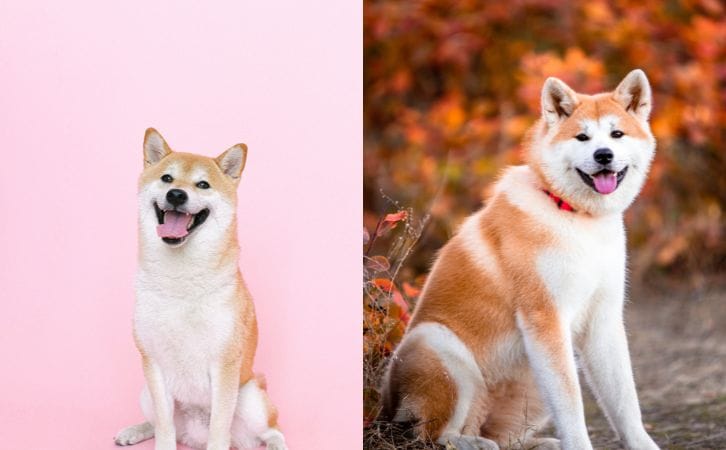
Shiba Inu vs Akita: Compact vs Powerful
When exploring the captivating world of dog breeds, particularly Shiba Inu and Akita, language plays a vital role in connecting dog lovers across cultures. Engaging with others about these breeds can spark interesting conversations. Here are a few ways to express this passion:
- Discuss Breed Characteristics: Share insights about size, temperament, and grooming needs.
- Join Online Communities: Connect with fellow enthusiasts on social media platforms.
- Attend Local Meetups: Share personal experiences, tips, and training advice firsthand.
By embracing such interactions, the appreciation for these remarkable breeds flourishes.
As dog enthusiasts dive into the unique traits of Shiba Inu and Akita, effective communication enhances the experience. Sharing stories about these beloved breeds can create a sense of community.
- Share Experiences: Describe your journey with adopting or training these dogs.
- Use Dog Terminology: Familiarize yourself with specific terms; it makes conversations richer.
- Engage in Forums: Participate in discussions on various pet platforms.
Connecting in English about these breeds not only educates but also strengthens bonds among dog lovers.
Here’s a detailed blog section for the specified heading:
Introduction
Overview of Shiba Inu and Akita Breeds
The Shiba Inu and Akita are two fascinating Japanese breeds that capture the hearts of dog lovers worldwide. Known for their distinct appearances and personalities, each breed brings something unique to the table.
- Shiba Inu: Small, spirited, and often resembling a fox.
- Akita: Large, dignified, and known for their loyalty.
Purpose of the Comparison
Comparing these breeds helps potential owners make informed decisions.
- Understanding their differences can guide lifestyle compatibility.
- Each breed’s temperament and care needs can impact family dynamics.
This exploration aims to clarify which breed may ideally suit your lifestyle and preferences!
Here’s a detailed blog section for the specified heading:
Shiba Inu vs Akita comparison
| Basic Information | Shiba Inu | Akita Inu |
| Group | Working dog | Working dog |
| Origin: | Japan | Japan |
| Height Male: | 12 – 17 inches | 25 – 28 inches |
| Height Female: | 12 – 17 inches | 22 – 26 inches |
| Weight Male: | 6 – 11 kg | 34 – 54 kg |
| Weight Female: | 6 – 11 kg | 34 – 50 kg |
| Life Span: | 12 – 15 Years | 11 – 15 Years |
| Litter Size: | 2 to 6 | 7 – 8 |
| Size: | Medium dog | Large dog |
| Other Names: | Japanese Shiba Inu, Shiba-Ken | Akita-Inu, Japanese Akita |
| Colors Available: | Cream, red, sesame, black and tan. | Brindle, Fawn, White, Red Fawn, Red, Pinto and Sesame |
| Coat: | Double coat – thick and straight | Harsh and Rough, Dense, Water-Repellent, Short and Thick |
| Shedding: | Moderate, Constant | Constant |
| Grooming: | Low maintenance | Low maintenance |
| Trainability: | Easy | Moderate |
| Kids Friendly: | Yes | Yes |
Read Here: Cane Corso vs Rottweiler
History and Origins
History of Shiba Inu
The Shiba Inu, one of Japan’s oldest breeds, has a rich history that dates back over 2,000 years. Originally bred for hunting, these agile dogs were prized for their keen senses and ability to navigate dense forests.
- Cultural Significance: They symbolize loyalty and courage in Japanese folklore.
- Post-War Revival: After World War II, dedicated breeders worked to revive the breed, leading to its popularity today.
Origins of Akita Breed
The Akita breed, with its roots in the snowy mountains of Northern Japan, has a legacy of nobility and strength. Bred as hunting and guard dogs, they were often loyal companions to Japanese royalty.
- Hachiko’s Legacy: The famous tale of Hachiko showcases profound loyalty, cementing the Akita’s status in popular culture.
- Preservation Efforts: Following near extinction during WWII, efforts by passionate breeders revived this majestic breed.
Both breeds reflect Japan’s rich canine heritage, showcasing their unique histories and evolution into beloved companions worldwide.
Here’s a detailed blog section for the specified heading:
Read Here: Yorkie vs Maltese
Physical Characteristics
Size and Weight Differences
When it comes to size, Shiba Inus and Akitas are worlds apart. The Shiba Inu is a compact little powerhouse, typically weighing between 17 to 23 pounds. In contrast, the Akita is a giant presence, usually tipping the scales at 70 to 130 pounds.
- Shiba Inu:
- Height: 13.5 to 16.5 inches
- Weight: 17 to 23 pounds
- Akita:
- Height: 24 to 28 inches
- Weight: 70 to 130 pounds
Whether you prefer the sprightly Shiba or the majestic Akita, both breeds boast striking features and stature.
Coat Colors and Grooming Needs
Their coats are another distinguishing factor. Shiba Inus typically flaunt a beautiful double coat that comes in a range of colors, including red, sesame, black and tan, and cream. Akitas, on the other hand, also have double coats and can display a variety of colors such as white, brindle, and various shades of red.
Grooming Needs:
- Shiba Inu:
- Moderate shedding; requires weekly brushing.
- Akita:
- Heavy shedding, especially in spring and fall; needs more frequent grooming.
Both breeds require regular grooming to keep their coats healthy, but the amount of shedding differs, making it an important consideration for prospective owners!
Here’s a detailed blog section for the specified heading:
Temperament and Behavior
Personality Traits of Shiba Inu
Shiba Inus are often described as spirited and bold, with a dash of mischief in their personality. Their independent nature can make training a challenge but also leads to their endearing charm.
- Confident: They carry themselves with a sense of pride.
- Alert & Curious: This breed is always on the lookout, making them excellent watchdogs.
- Playful: Shibas enjoy interactive playtime and can provide endless entertainment.
Every day with a Shiba Inu can feel like an adventure, as their spirited nature keeps owners engaged.
Behavioral Traits of Akita
In contrast, the Akita’s temperament is characterized by loyalty and protectiveness. Known for their gentle yet imposing presence, Akitas often form strong bonds with their families.
- Loyal: They tend to be fiercely devoted to their owners.
- Reserved with Strangers: While they are affectionate with family, they may be aloof with outsiders.
- Calm Demeanor: Akitas often exhibit a calm and dignified behavior, making them composed pets.
These traits contribute to their reputation as loyal guardians, making the Akita a cherished companion for those willing to nurture their strong-willed personality. Understanding these temperament differences can help potential owners choose the right breed for their lifestyle.
Here’s a detailed blog section for the specified heading:

Read Here: Newfoundland vs Saint Bernard
Training and Exercise Needs
Training Challenges for Shiba Inu
Training a Shiba Inu can be both rewarding and challenging. Their independent streak often leads to a “what’s in it for me?” attitude during training sessions. This breed is intelligent but may demonstrate stubbornness.
- Consistency is Key: Positive reinforcement works best; treats and praise motivate them.
- Short Sessions: Keeping training sessions brief and engaging helps maintain their focus.
- Socialization: Early socialization with people and other pets is crucial to curb their natural wariness.
With patience and creativity, Shiba owners can successfully navigate these training challenges and build a strong bond with their pup.
Exercise Requirements for Akita
On the flip side, Akitas have robust exercise needs due to their large size and high energy. Regular physical activity is essential to keep them healthy and prevent behavioral issues.
- Daily Walks: Aim for at least an hour of walking or vigorous playtime.
- Mental Stimulation: Incorporating obedience training or puzzle toys can keep them engaged.
- Safe, Fenced Area: Akitas thrive in environments where they can roam freely and play.
Balancing their exercise routine with safe, fun activities ensures that both Shiba Inus and Akitas develop into well-rounded, happy companions. Understanding their unique training and exercise needs can lead to a fulfilling relationship.
Here’s a detailed blog section for the specified heading:
Health Considerations
Common Health Issues in Shiba Inu
Shiba Inus, though generally healthy, can be prone to specific health concerns. Being aware of these issues can help owners take proactive measures.
- Hip Dysplasia: A common genetic issue that affects joint health.
- Patellar Luxation: This condition can cause discomfort and requires veterinary attention.
- Allergies: Shibas may experience skin allergies, necessitating regular check-ups.
Regular vet visits and a good diet can contribute substantially to their overall well-being.
Health Concerns in Akita Breed
The Akita breed, while also robust, faces its own set of health challenges. Monitoring these potential issues will help ensure a long, healthy life.
- Hip and Elbow Dysplasia: Similar to Shibas, Akitas can suffer from joint problems.
- Autoimmune Disorders: Conditions like autoimmune thyroiditis can occur, affecting their vitality.
- Bloat: A serious condition that can escalate quickly, awareness and preventative measures are crucial.
By prioritizing their health needs through regular veterinary care and a balanced diet, owners can significantly enhance the quality of life for both Shiba Inus and Akitas. Understanding these health considerations will prepare prospective owners for responsible pet ownership.
Here’s a detailed blog section for the specified heading:
Suitability as Pets
Living Conditions for Shiba Inu
Shiba Inus are quite adaptable, making them suitable for various living situations. However, they thrive best in environments that cater to their spirited nature.
- Apartment Living: Shibas can comfortably live in apartments as long as they get daily exercise.
- Fenced Yard: A secure outdoor space allows them to roam and play.
- Socialization Opportunities: Regular interactions with other dogs and people help develop their social skills.
With the right atmosphere and routine, Shiba Inus can be delightful companions in any home.
Ideal Owners for Akita
The Akita, with its strong personality and protective nature, requires dedicated owners who understand the breed’s needs.
- Experienced Dog Owners: Ideal for those familiar with large, strong breeds and their training challenges.
- Active Lifestyles: Akitas thrive in homes where owners can provide ample exercise and mental stimulation.
- Committed to Training: An owner willing to spend time on consistent training and socialization is crucial.
Choosing an Akita means embracing their loyalty and strength, which can lead to a rewarding relationship for experienced dog enthusiasts. Understanding the suitable living conditions and ideal ownership qualities helps ensure a happy home for both Shiba Inus and Akitas.
Here’s a detailed blog section for the specified heading:
Shiba Inu vs Akita
Popularity and Recognition
Global Recognition of Shiba Inu
The Shiba Inu has surged in popularity over the years, captivating hearts around the globe. Their charming appearance and lively personalities make them a favorite among dog enthusiasts.
- Social Media Fame: Shibas often dominate social media platforms with their adorable photos and videos.
- Cultural Icon: Featured in various anime and memes, they have become cultural symbols in Japan and beyond.
- Pet Ownership Trends: As more people gravitate towards smaller, spirited breeds, Shibas rise in popularity in urban settings.
The blend of uniqueness and charm has secured a special place for Shiba Inus in dog lovers’ hearts worldwide.
Akita’s Status as a Popular Breed
On the other hand, the Akita stands tall as a symbol of strength and loyalty, making it a respected breed in many circles.
- Loyal Companionship: Known for their unwavering devotion, Akitas attract people looking for a strong bond with their dog.
- Cultural Significance: The tale of Hachiko and Akita’s historical roots contribute to their esteemed reputation.
- Recognition in Competitions: Akitas often shine in dog shows, showcasing their beauty and poise.
Both breeds hold unique spots in the hearts of dog owners, whether it’s the spirited Shiba Inu or the majestic Akita. Understanding their popularity can inspire choices for those ready to welcome a dog into their lives.