
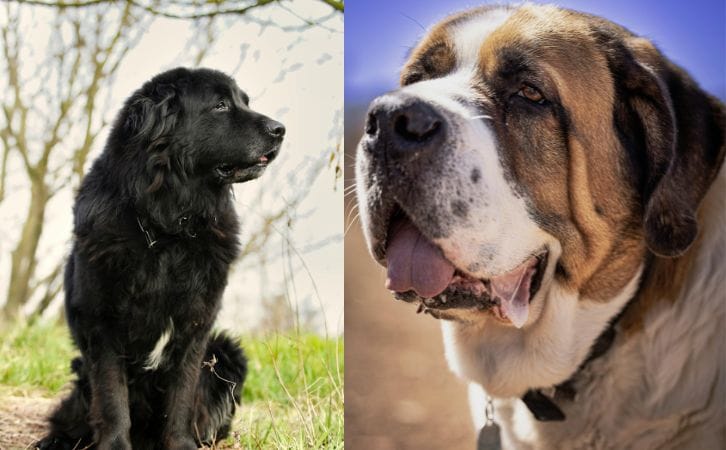
Overview of Newfoundland and Saint Bernard Breeds
Brief history and origins of Newfoundland breed
The Newfoundland breed boasts a remarkable history, originating from Newfoundland, Canada. Early sailors used these gentle giants for water rescues, thanks to their strong swimming ability. Over time, they became loyal companions for fishermen. Notably, the breed’s distinctive webbed feet enable them to navigate icy waters with ease, emphasizing their protective and nurturing nature.
Brief history and origins of Saint Bernard breed
Saint Bernards, known for their vital role in alpine rescues, originated at the Great St. Bernard Pass in the Swiss Alps. Monks bred these dogs in the 17th century to help locate lost travelers. Their impressive size and innate kindness made them legendary. Anecdotes recount how they saved countless lives with their keen sense of smell and unwavering determination.
Newfoundland vs Saint Bernard comparison
| Basic Information | Newfoundland | Saint Bernard |
| Group | Working dog | Working dog |
| Origin: | Canada | Switzerland |
| Height Male: | 24 – 30 inches | 24 – 28 inches |
| Height Female: | 24 – 30 inches | 23 – 28 inches |
| Weight Male: | 45 – 80 kg | 54 – 90 kg |
| Weight Female: | 45 – 80 kg | 52 – 85 kg |
| Life Span: | 8 – 10 Years | 8 – 10 Years |
| Litter Size: | 4 to 12 | 4 to 9 |
| Size: | Giant dog | Giant dog |
| Other Names: | Newfie | St. Bernhardshund Bernhardiner Alpine Mastiff (archaic) |
| Colors Available: | grey, Black, brown | redish- Brown and white with a black mask to blond and white with black mask |
| Coat: | Medium length, coarse, dense | rough or smooth |
| Shedding: | Constant, Seasonal | Constant |
| Grooming: | Moderate maintenance | High maintenance |
| Trainability: | Easy | Moderate |
| Kids Friendly: | Yes | Yes |
Read Here: Cavapoo vs Mini Goldendoodle
Characteristics and Temperament
Physical features of Newfoundlands
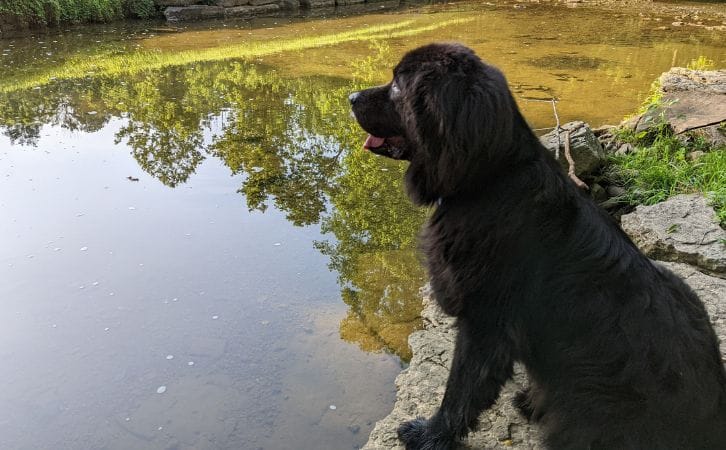
Newfoundlands are striking with their enormous size, often weighing between 100 to 150 pounds. Their thick, water-resistant fur is typically black, brown, or Landseer (white with black markings), complemented by a broad head and strong neck. Distinct webbed feet enable them to swim effortlessly, making beach outings a joy, especially when they leap into the water to retrieve toys!
Physical features of Saint Bernards
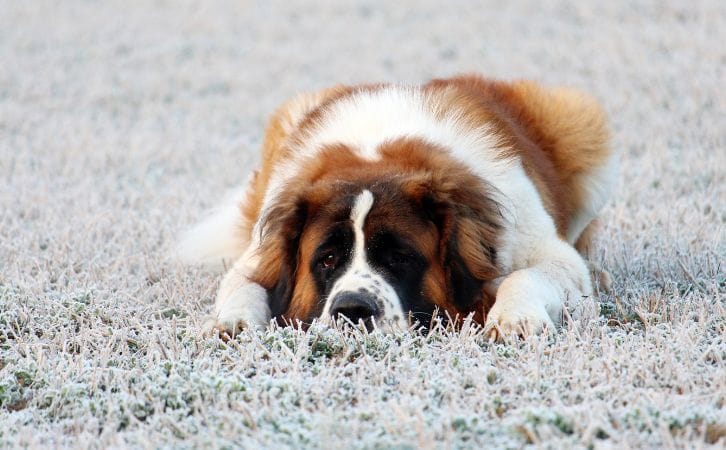
Saint Bernards are equally impressive, weighing from 120 to 180 pounds and standing about 26 to 30 inches tall. Their stout build features a massive head, deep chest, and, most famously, a thick, fluffy coat, usually a mix of red and white or brindle patterns. Their expressive eyes convey warmth, making them truly irresistible companions.
Temperament traits of Newfoundlands
Known as “gentle giants,” Newfoundlands are affectionate, loyal, and remarkably patient. They thrive on companionship, often forming deep bonds with families. Their calm demeanor makes them excellent with children, and the breed’s intelligence shines through in their eagerness to learn commands and tricks, often showcased in training sessions.
Temperament traits of Saint Bernards
Saint Bernards have heartwarming, amiable personalities. They are gentle, patient, and often referred to as “nanny dogs” due to their protective instincts towards children. This breed is also quite social, enjoying company, whether it’s family or visitors. Their laid-back nature makes them suitable for relaxed lifestyles, alongside those who appreciate larger dogs.
Read Here: Chow Chow vs Akita
Costs of Owning a Newfoundland
Initial acquisition costs
When considering a Newfoundland, the initial acquisition cost can range from $1,000 to $3,000, depending on factors like breeder reputation and puppy lineage. Opting for a reputable breeder ensures health checks, but this can impact your budget. Additionally, don’t forget about essential items like:
- Crate
- Food and water bowls
- Toys and grooming supplies
Maintenance and care expenses
Maintenance costs for Newfoundlands typically include food, which can average $100 to $200 monthly due to their size and dietary needs. Grooming costs add up, particularly with their thick fur. Regular grooming sessions, either professional or at home, are necessary to keep their coats in check and can range from $50 to $150.
Health care expenses
Newfoundlands, while generally healthy, can be prone to certain health conditions. Routine vet visits range from $300 to $600 annually. Owners should also consider potential costs for preventive treatments and unexpected emergencies, which could vary widely. Setting aside a health fund can offer peace of mind in case of any medical surprises.
Costs of Owning a Saint Bernard
Initial acquisition costs
Initial acquisition costs
Acquiring a Saint Bernard typically involves an investment ranging from $1,000 to $2,500. Factors influencing the price include breeder quality and lineage. It’s important to choose a reputable source. Along with the puppy cost, initial supplies such as:
- Large crate
- Food bowls
- Collars and leashes
will also need to be factored into your budget.
Maintenance and care expenses
Maintenance costs for Saint Bernards can be substantial, with food expenses often reaching $100 to $250 monthly due to their considerable size. Regular grooming is also vital to keep their thick coat healthy, costing anywhere from $50 to $100 per session. Investing in proper grooming tools can help mitigate some of these recurring costs.
Health care expenses
Health care for a Saint Bernard can range from $300 to $700 annually, covering routine check-ups and vaccinations. This breed is susceptible to certain conditions, so setting aside additional funds for emergencies or specialized care is wise. It can save you stress and ensure your gentle giant receives the medical attention they need when necessary.
Read Here: French Bulldog vs English Bulldog
Comparison of Overall Costs
Cost analysis of owning a Newfoundland
When analyzing the costs of owning a Newfoundland, the initial acquisition ranges between $1,000 and $3,000. Monthly maintenance, including food and grooming, can average $200. Health care expenses may add another $300 to $600 annually. Here’s a quick breakdown:
- Initial Cost: $1,000 – $3,000
- Monthly Maintenance: $200
- Annual Health Expenses: $300 – $600
Cost analysis of owning a Saint Bernard
In contrast, the acquisition costs for a Saint Bernard typically range from $1,000 to $2,500. Monthly food and maintenance expenses can vary from $100 to $250. When considering health care, anticipate about $300 to $700 annually. Here’s what to expect:
- Initial Cost: $1,000 – $2,500
- Monthly Maintenance: $100 – $250
- Annual Health Expenses: $300 – $700
In summary, while both breeds require a significant investment, Newfoundlands may have slightly higher initial and maintenance costs compared to Saint Bernards.
Considerations Before Choosing a Giant Breed
Living space requirements
Before welcoming a giant breed like a Newfoundland or Saint Bernard into your home, consider the living space. Both breeds require ample space to move comfortably. Ideally, they should have:
- A large, fenced yard
- Room for relaxing indoors
- Access to open areas for play
This ensures they can stretch their legs and feel at home.
Exercise needs
Exercise is crucial for these giant breeds, as they need regular physical activity to maintain their health and happiness. Daily routines should include:
- Long walks: At least 30-60 minutes
- Playtime: Engaging activities, like fetch or swimming
- Socialization: Interaction with other dogs and people
Keeping them active not only helps with weight management but also promotes good behavior.
Grooming needs
Both breeds have significant grooming requirements due to their thick coats. Regular grooming sessions are necessary to prevent matting and manage shedding. Key points include:
- Brushing: At least once a week, or more during shedding seasons
- Bathing: Every couple of months or as needed
- Professional grooming: Occasional visits to a groomer can help
Understanding these needs is essential to ensure that both you and your giant furry friend are happy together.
Affordability and Long-Term ommitment
Budgeting for a Newfoundland
When budgeting for a Newfoundland, first consider the initial costs of acquisition, which can range from $1,000 to $3,000. Ongoing costs will also need attention:
- Monthly food: $100 – $200
- Grooming costs: Approximately $50 – $150
- Annual health care: $300 – $600
Setting aside funds regularly helps maintain financial stability.
Budgeting for a Saint Bernard
Budgeting for a Saint Bernard involves similar considerations, with a slightly lower initial price of $1,000 to $2,500. When planning for ongoing expenses, note:
- Monthly food: $100 – $250
- Grooming costs: $50 – $100 every few months
- Annual health care: $300 – $700
Keeping track of these costs ensures you’re prepared for a new furry family member.
Long-term financial considerations
Owning a giant breed is a long-term commitment that involves more than just initial costs. Over their lifetimes, Newfoundlands and Saint Bernards can command significant expenses. It’s wise to consider:
- Food: Larger breeds typically eat more, impacting monthly budgets.
- Emergency funds: Unexpected health issues can arise, requiring financial flexibility.
- Insurance: Pet insurance could alleviate some healthcare costs.
Considering these aspects ensures you’re financially ready for a loving giant companion!
Newfoundland vs Saint Bernard
Conclusion
Summarizing the cost differences between Newfoundland and Saint Bernard
When comparing the costs of owning a Newfoundland versus a Saint Bernard, it’s clear that both breeds come with significant financial commitments. Newfoundlands typically have higher acquisition and maintenance costs, averaging between $1,000 and $3,000 for initial investment and $200 monthly. On the other hand, Saint Bernards are slightly more affordable, ranging from $1,000 to $2,500 to acquire, with variable maintenance costs.
Final thoughts on deciding between the two breeds
Ultimately, the decision between a Newfoundland and a Saint Bernard should encompass more than just cost. Consider your lifestyle, living space, and the time you can dedicate. Both breeds offer unparalleled affection and companionship but demand attention and care. Whichever you choose, ensure you’re ready for the joys and responsibilities of welcoming a gentle giant into your home!
reference
Newfoundland vs Saint Bernard