
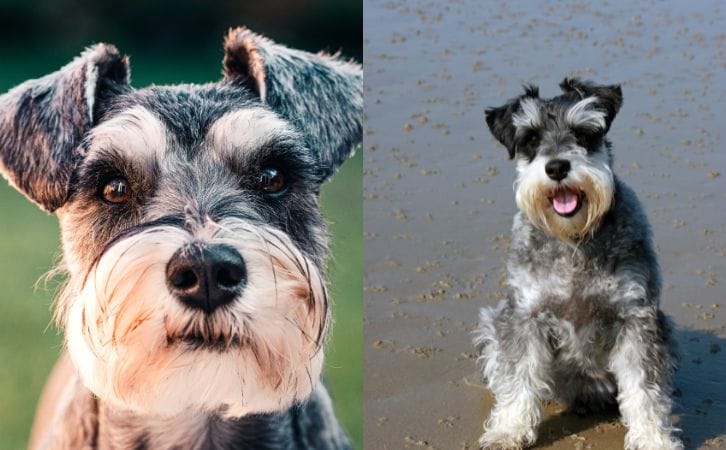
Mini Schnauzer vs Standard Schnauzer: Which Fits Your Home?
Overview of Mini Schnauzer and Standard Schnauzer Breeds
Brief history of Mini Schnauzers
Mini Schnauzers trace their origins back to the 19th century in Germany. They were developed as a smaller version of the Standard Schnauzer, primarily for the purpose of catching rodents. Their playful disposition and intelligence quickly made them popular as companion dogs.
- Key Points:
- Originated in the 1800s.
- Bred from Standard Schnauzers.
- Initially used for pest control.
Brief history of Standard Schnauzers
Standard Schnauzers boast a rich lineage dating back to medieval Germany, where they worked as farm dogs, guarding property and herding livestock. Their unique bearded face and wiry coat contributed to their versatility in various jobs, which made them well-loved among farmers and families alike.
- Highlights:
- Roots in medieval Germany.
- Used for guarding and herding.
- Known for distinctive appearance and strong work ethic.
Mini Schnauzer vs Standard Schnauzer
| Basic Information | Miniature Schnauzer | Giant Schnauzer |
| Group | Terrier dog | Working dog |
| Origin: | Germany | Germany |
| Height Male: | 11 – 15 inches | 60 – 70 cm |
| Height Female: | 11 – 15 inches | 60 – 70 cm |
| Weight Male: | 5 – 10 kg | 25 – 48 kg |
| Weight Female: | 5 – 10 kg | 25 – 48 kg |
| Life Span: | 12 – 15 Years | 10 – 12 Years |
| Litter Size: | 3 to 8 | 5-8 |
| Size: | Small dog | Large dog |
| Other Names: | Zwergschnauzer (Dwarf Schnauzer) | Riesenschnauzer |
| Colors Available: | salt-and-pepper coat – mix of black and white. , Black and silver | Black, salt and pepper grey color |
| Coat: | Double, wiry medium-length coat | Medium length, wiry and hard |
| Shedding: | Minimal | Minimal |
| Grooming: | Moderate maintenance | Moderate maintenance |
| Trainability: | Easy | Easy |
| Kids Friendly: | Yes | Yes |
Read Here: Shiba Inu vs Akita
Size, Appearance, and Temperament Differences
Comparison of size between Mini Schnauzer and Standard Schnauzer
When considering size, Mini Schnauzers are compact little companions, typically weighing between 11 to 20 pounds and standing about 12 to 14 inches tall. In contrast, Standard Schnauzers are more robust, weighing 30 to 50 pounds and towering between 17 to 20 inches.
- Size Comparison:
- Mini Schnauzer:
- Weight: 11-20 pounds
- Height: 12-14 inches
- Standard Schnauzer:
- Weight: 30-50 pounds
- Height: 17-20 inches
- Mini Schnauzer:
Contrasting appearances of the two breeds
Both breeds boast distinct features, enhancing their charm. The Mini Schnauzer has a petite frame with a square build, characterized by its bushy eyebrows and beard, giving it a playful yet dignified look. Conversely, the Standard Schnauzer presents a more muscular appearance, exhibiting a strong back and a bushy muzzle which reflects its working heritage.
- Visual Differences:
- Mini Schnauzer:
- Shorter legs, overall petite.
- Prominent facial hair features.
- Standard Schnauzer:
- Taller with a sturdier build.
- Pronounced beard and eyebrows.
- Mini Schnauzer:
Differences in temperament and behavior traits
Temperamentally, Mini Schnauzers are often described as lively and affectionate, thriving on human interaction. They are known for their alertness. Standard Schnauzers, while friendly, are slightly more reserved and possess a strong protective instinct, often showcasing loyalty to their families.
- Behavior Traits:
- Mini Schnauzer:
- Energetic and playful.
- Great for active families.
- Standard Schnauzer:
- Protective yet loving.
- Bonding closely with their people.
- Mini Schnauzer:
Choosing between these two breeds not only hinges on their size and looks but also on their unique personalities that fit different lifestyles and needs.

Read Here: Cane Corso vs Rottweiler
Exercise and Training Needs
Exercise requirements for Mini Schnauzers
Mini Schnauzers are energetic little dynamos that thrive on daily exercise. They require at least 30 to 60 minutes of physical activity each day, appreciated through brisk walks, playtime in the yard, or engaging games of fetch. Their enthusiasm keeps them in shape and mentally stimulated, fostering a happy disposition.
- Exercise Activities:
- Daily walks (30-60 minutes)
- Interactive play sessions
- Puzzle toys for mental stimulation
Exercise requirements for Standard Schnauzers
For Standard Schnauzers, the exercise needs are more substantial due to their larger size and higher energy levels. They require a solid hour or more of exercise daily, whether it’s running, hiking, or playing fetch. Regular activity helps to curb any potential boredom-related behaviors, contributing to their overall well-being and happiness.
- Exercise Recommendations:
- At least one hour of vigorous activity
- Long walks or jogs
- Agility training and dog sports
Training approaches suitable for each breed
Training is essential for both breeds, but the approach may vary slightly. Mini Schnauzers respond well to positive reinforcement and enjoy training sessions that incorporate plenty of praise and treats. Meanwhile, Standard Schnauzers may require a firmer hand due to their independent nature, but they excel with consistent, reward-based training.
- Training Strategies:
- Mini Schnauzer:
- Short, fun sessions
- Positive reinforcement techniques
- Standard Schnauzer:
- Firm yet positive training
- Consistent commands for best results
- Mini Schnauzer:
Understanding their exercise and training requirements will help foster a deeper bond and contribute positively to the development of a well-behaved pet.
Grooming and Maintenance
Grooming needs of Mini Schnauzers
Mini Schnauzers require regular grooming to maintain their signature wiry coat and prevent matting. Typically, they need grooming every 4 to 6 weeks. Brushing several times a week helps keep their coat healthy and minimizes shedding. Regular trims around the face and paws also enhance their appearance and maintain cleanliness.
- Grooming Routine:
- Brush 2-3 times a week
- Trim every 4-6 weeks
- Bathing as needed, using a gentle dog shampoo
Grooming needs of Standard Schnauzers
Standard Schnauzers, with their robust coat, require a bit more upkeep due to their larger size. They benefit from stripping or clipping every 6 to 8 weeks. Regular brushing several times a week helps remove loose fur and keeps their coat looking neat and tidy while also helping to prevent tangles.
- Grooming Schedule:
- Brush 2-3 times a week
- Stripping or clipping every 6-8 weeks
- Occasional baths to maintain coat health
Maintenance considerations for coat, ears, and eyes
Both breeds share some common maintenance needs. Keeping their ears clean is vital to prevent infections; regular checks and cleanings are essential. Eye care is also important, as both breeds can have tear staining, particularly the Mini Schnauzer. Regular cleaning with a damp cloth can help keep their eyes clear and bright.
- Maintenance Tips:
- Regular ear cleaning to prevent infections
- Clean eyes weekly to reduce tear staining
- Check nails regularly and trim as needed
Taking the time to attend to grooming and maintenance not only enhances their physical appearance but also promotes a healthy, happy life for both your Mini and Standard Schnauzer.

Read Here: Yorkie vs Maltese
Living Conditions and Space Requirements
Ideal living conditions for Mini Schnauzers
Mini Schnauzers thrive in various living situations, from apartments to homes with yards. Their smaller size allows them to adjust well to confined spaces, but they still need daily exercise and interactions. A cozy environment with plenty of toys and a secure area to play is beneficial for these lively companions.
- Living Conditions:
- Suitable for apartments and smaller homes
- Access to daily outdoor activities
- Safe space for play and exploration
Ideal living conditions for Standard Schnauzers
Standard Schnauzers prefer homes with space to move freely. They enjoy having a yard where they can run and play, making them great companions for active families. While they are adaptable, they do best in environments that provide opportunities for both mental and physical stimulation.
- Living Requirements:
- Spacious homes with yards preferred
- Access to safe outdoor areas
- Social interactions to keep them engaged
Space requirements for each breed
In terms of space, Mini Schnauzers need less than Standard Schnauzers due to their size. A small yard or nearby park is sufficient for their exercise needs. On the other hand, Standard Schnauzers benefit from larger spaces where they can explore and play freely.
- Space Considerations:
- Mini Schnauzer:
- Small yard or park
- Daily walks are essential
- Standard Schnauzer:
- Larger yard or open space
- Room for running and active play
- Mini Schnauzer:
Providing the right living conditions and space helps foster a happy, well-adjusted pet, ensuring both Mini and Standard Schnauzers lead fulfilling lives tailored to their unique needs.
Health Considerations and Lifespan
Common health issues in Mini Schnauzers
Mini Schnauzers, while generally healthy, can be prone to certain health issues. These include pancreatitis, hip dysplasia, and certain eye conditions like cataracts. Regular vet check-ups and a balanced diet can go a long way in preventing these problems and ensuring your Mini Schnauzer stays healthy and happy.
- Common Health Concerns:
- Pancreatitis
- Hip dysplasia
- Cataracts
Common health issues in Standard Schnauzers
Standard Schnauzers also face health issues, with hip and elbow dysplasia being particularly prevalent. They may also experience skin problems and certain thyroid conditions. Staying proactive about their health through regular examinations, vaccinations, and a nutritious diet is essential in promoting their well-being.
- Health Issues to Watch For:
- Hip and elbow dysplasia
- Skin conditions
- Thyroid problems
Lifespan expectations for both breeds
When it comes to lifespan, Mini Schnauzers tend to live longer, averaging around 12 to 15 years. Standard Schnauzers usually have a lifespan of approximately 10 to 14 years. Investing in regular veterinary care and maintaining a healthy lifestyle can significantly enhance the longevity of both breeds.
- Lifespan Overview:
- Mini Schnauzer: 12-15 years
- Standard Schnauzer: 10-14 years
Understanding potential health issues and lifespan expectations can empower owners to make informed decisions, ensuring both Mini and Standard Schnauzers lead long, fulfilling lives filled with the love and attention they deserve.
Compatibility with Families and Other Pets
Interaction with children and families for Mini Schnauzers
Mini Schnauzers are known for their playful and affectionate nature, making them wonderful companions for families and children. They thrive on interaction and often enjoy participating in family activities. Their lively personality ensures that they can keep up with a bustling household, quickly bonding with every family member.
- Family Interactions:
- Playful and affectionate
- Great companions for children
- Enjoys family activities
Interaction with children and families for Standard Schnauzers
Standard Schnauzers possess a loving temperament and are equally fantastic with families. They are protective yet gentle with children, often forming strong bonds. Their intelligent nature allows for engaging playtime, be it fetch or obedient tricks. Early socialization is key to ensuring they adapt well to family life.
- Family Interactions:
- Protective and loyal
- Gentle with kids
- Engages well in family play
Compatibility with other pets in the household
Both Mini and Standard Schnauzers can coexist peacefully with other pets, although individual personalities play a significant role. Mini Schnauzers might exhibit a bit more territorial behavior, while Standard Schnauzers tend to be more adaptable. Introducing them slowly to new pets enhances harmony within the household.
- Pet Compatibility:
- Mini Schnauzers:
- Can be territorial; supervision recommended
- Slow introductions ensure comfort
- Standard Schnauzers:
- More adaptable with other pets
- Positive reinforcement helps unity
- Mini Schnauzers:
Understanding how each breed interacts with families, children, and other pets can guide potential owners in making informed choices, ensuring a harmonious and loving household that fits everyone’s needs.
Choosing the Right Breed for Your Home
Factors to consider when selecting between Mini Schnauzer and Standard Schnauzer
Selecting the right breed for your home involves several factors. First, consider your living space. Mini Schnauzers adapt well to apartments, while Standard Schnauzers thrive in larger homes with outdoor areas. Additionally, evaluate your energy level—Mini Schnauzers need less exercise than their Standard counterparts, making them a great fit for busy families.
- Key Considerations:
- Living space: Apartment vs. house
- Exercise needs and lifestyle
- Interaction with children and other pets
Recommendations based on lifestyle and living situation
For active families with ample outdoor space, a Standard Schnauzer might be the ideal choice, as their energetic and loyal nature matches a lively environment. On the other hand, if you live in a smaller home or apartment and seek a playful companion, a Mini Schnauzer can bring joy without needing excessive room.
- Lifestyle Recommendations:
- Active lifestyle: Choose Standard Schnauzer
- Smaller living space: Opt for Mini Schnauzer
- Children and pets: Consider family dynamics for both breeds
Understanding the key factors and considering your unique lifestyle will help you choose the best breed, ensuring a loving and harmonious environment for both you and your future furry friend.
Schnauzer Breeds – Differences in Temperament and Appearance
Conclusion and Final Thoughts
Recap of key differences between Mini Schnauzer and Standard Schnauzer
In summary, the Mini Schnauzer and Standard Schnauzer each offer unique characteristics. The Mini is compact and perfect for smaller spaces, while the Standard is larger and needs more room to roam. Both breeds are affectionate and intelligent, but their exercise needs, grooming, and space requirements set them apart.
- Key Differences:
- Size: Mini (11-20 pounds) vs. Standard (30-50 pounds)
- Space Needs: Mini adapts well to apartments; Standard thrives in larger homes
- Exercise Requirements: Mini needs less; Standard requires more vigorous activities
Considerations for making an informed decision on the best breed for your home
When deciding on which Schnauzer fits your lifestyle, reflect on your living situation, activity level, and family dynamics. Both breeds bring joy and companionship but require commitment and care tailored to their specific needs. Take your time, research, and consider your home environment to ensure a perfect match for both you and your new furry friend.
- Decision-Making Points:
- Assess your living conditions
- Reflect on your activity level
- Evaluate family compatibility
By weighing these considerations, you’ll be equipped to make a thoughtful decision, ensuring a harmonious and loving home for you and your Schnauzer companion.
reference
Mini Schnauzer vs Standard Schnauzer