
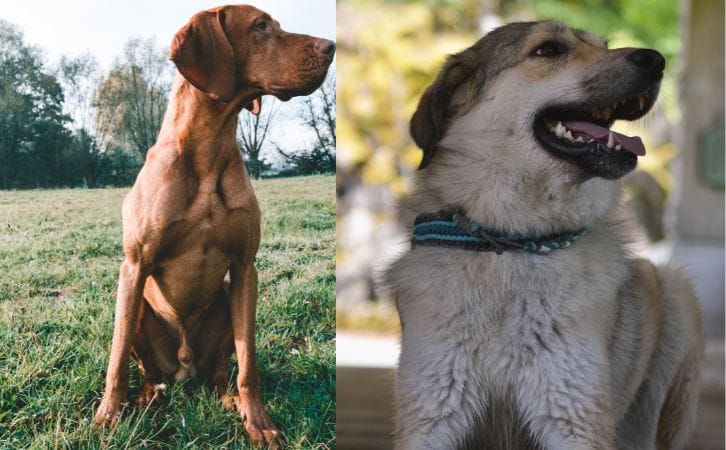
Great Dane vs Irish Wolfhound: Health and Lifespan Compared
Introduction
Overview of Great Dane and Irish Wolfhound
Great Danes and Irish Wolfhounds are two of the largest dog breeds known for their impressive stature and gentle temperaments. Great Danes are renowned for their elegance and strength, often referred to as “gentle giants.” On the other hand, Irish Wolfhounds are recognized for their height and loyalty, historically bred for hunting wolves. Both breeds may look intimidating but are gentle companions.
Significance of Comparing Their Health and Lifespan
Understanding the health and lifespan differences between these two breeds is crucial for prospective owners. Here’s why:
- Health Issues: Each breed faces unique health challenges that could impact their time with us.
- Average Lifespan: Knowing their life expectancy help pet owners prepare for long-term care.
- Preventive Measures: Identifying at-risk breeds allows for better preventive care decisions.
By exploring these aspects, owners can foster healthier and happier lives for their Great Danes and Irish Wolfhounds.
Great Dane vs Irish Wolfhound comparison
| Basic Information | Great Dane | Irish Wolfhound |
| Group | Companion dog | Hound dog |
| Origin: | Germany | Ireland |
| Height Male: | 29 – 34 inches | 31 – 34 inches |
| Height Female: | 29 – 34 inches | 31 – 34 inches |
| Weight Male: | 54 – 90 kg | 48 – 54 kg |
| Weight Female: | 54 – 90 kg | 48 – 54 kg |
| Life Span: | 9 – 12 Years | 6 – 10 Years |
| Litter Size: | 4 to 15 | 3 to 4 |
| Size: | Giant dog | Giant dog |
| Other Names: | Apollo of Dogs, Dane, Deutsche Dogge | None |
| Colors Available: | black or brindle – bi-color, Fawn | red, black or brindle, grey, white, Fawn |
| Coat: | Short and smooth | Medium length, straight to wavy and wiry |
| Shedding: | Minimal | Moderate |
| Grooming: | Low maintenance | Moderate maintenance |
| Trainability: | Easy | Easy |
| Kids Friendly: | Yes | Yes |
Read Here: Bulldog vs Boxer
Physical Health Comparison
Common Health Issues in Great Danes
Great Danes are majestic, but they are prone to specific health concerns that owners should be aware of. Some common issues include:
- Bloat: A serious condition where the stomach expands and twists, requiring immediate veterinary attention.
- Hip Dysplasia: An inherited condition that can lead to arthritis.
- Heart Conditions: Such as dilated cardiomyopathy, which can affect their lifespan.
Typical Health Problems in Irish Wolfhounds
Similarly, Irish Wolfhounds also face certain health challenges, including:
- Bone Cancer: Osteosarcoma is more prevalent in larger breeds like this one.
- Heart Problems: They are also susceptible to dilated cardiomyopathy.
- Hip Dysplasia: Similar to Great Danes, this is a concern that can lead to mobility issues.
Variations in Health Maintenance
Health maintenance varies significantly between these breeds. For Great Danes, regular weight checks can help prevent bloat, while Irish Wolfhounds benefit from routine screenings for bone health. Engaging in preventive practices early on can significantly improve the quality of life and longevity for both breeds. Each requires specific care tailored to their unique health profiles, leading to a happier, healthier pet.

Read Here: Vizsla vs Weimaraner
Mental Health and Exercise Requirements
Mental Stimulation Needs in Great Danes
Great Danes, though lazing around the house might seem appealing, require mental stimulation to stay happy. Activities like puzzle toys, scent games, or basic obedience training can keep their minds engaged. These large dogs thrive on companionship, so involving them in family activities is vital. For example, my friend’s Great Dane loves playing hide-and-seek with the kids, which keeps him active and mentally fit!
Exercise Requirements for Irish Wolfhounds
Irish Wolfhounds are famed for their speed and agility, requiring regular exercise to maintain their health. A daily routine should include:
- Long Walks: At least 30 to 60 minutes of walking to keep their muscles toned.
- Play: Engaging in fetch or running in a secure area helps satisfy their exercise needs.
Impact of Mental Health on Lifespan
Both breeds benefit from appropriate mental and physical activity, significantly influencing their lifespan. A mentally stimulated dog is less prone to stress and anxiety, which can lead to various health problems. Incorporating these activities into their routine fosters not only their happiness but also their longevity, ensuring many joyful years together with their owners.
Lifespan Comparison
Average Lifespan of Great Danes
Great Danes typically have an average lifespan of around 7 to 10 years. While their gigantic stature contributes to their majestic appearance, it also links to shorter life expectancy. Many owners, like my neighbor, often find themselves heartbroken as they navigate the challenges that come with caring for a large breed as they age.
Average Lifespan of Irish Wolfhounds
On the other hand, Irish Wolfhounds generally live a bit longer, with an average lifespan of 6 to 8 years. Despite their size, they possess a gentle spirit and can thrive well with proper care. A close friend of mine shared how her Wolfhound lived a vibrant life, filling their home with joy for the full 8 years.
Factors Influencing Lifespan
Several factors contribute to the lifespan of these breeds, including:
- Genetics: Family health history plays a substantial role.
- Diet and Nutrition: Proper feeding can help prevent obesity and related health issues.
- Regular Veterinary Care: Routine check-ups can catch potential issues early.
By understanding these influencing factors, owners can take proactive steps to ensure a longer, happier life for their beloved Great Danes and Irish Wolfhounds.

Read Here: Boston Terrier vs French Bulldog
Diet and Nutrition
Dietary Needs of Great Danes
Great Danes require a specialized diet tailored to their large size to promote optimal health. They thrive on high-quality, protein-rich food that supports muscle growth, such as:
- Lean Meat: Chicken, beef, or lamb, which provide essential protein.
- Whole Grains: Brown rice or oats for energy.
- Healthy Fats: Omega-3 and Omega-6 fatty acids to support skin and coat health.
For instance, my neighbor feeds her Great Dane a mix of kibble and homemade meals, ensuring he’s getting the best nutrition.
Nutritional Requirements for Irish Wolfhounds
Irish Wolfhounds also need a balanced diet, focusing on:
- Protein: Similar to Great Danes, high-quality animal proteins are crucial.
- Carbohydrates: Sweet potatoes or vegetables to provide energy.
- Hydration: Always ensure fresh water is available, as large breeds can be prone to dehydration.
A friend of mine swears by a diet plan rich in nutrients, which keeps her Wolfhound active and healthy.
Effect of Diet on Overall Health
The right diet significantly impacts both breeds’ overall health and longevity. Proper nutrition aids in:
- Maintaining a healthy weight.
- Supporting joint and bone health.
- Boosting immune function.
By prioritizing a well-balanced diet, owners can ensure their Great Danes and Irish Wolfhounds live healthy, active lives, filled with adventure alongside their human companions.
Preventive Care and Regular Check-ups
Importance of Preventive Health Maintenance
Preventive health maintenance is crucial for ensuring a long, healthy life for both Great Danes and Irish Wolfhounds. Regular check-ups can catch potential health issues early, often leading to better outcomes. For instance, a friend of mine discovered her Great Dane’s heart issue during a routine vet visit—early intervention made all the difference.
Necessary Vet Check-ups for Great Danes
Great Danes should have vet check-ups at least once a year, with special attention to:
- Heart Health: Early screening for heart conditions.
- Joint Assessments: Monitoring for signs of hip dysplasia.
- Weight Management: Keeping an eye on their diet to avoid obesity.
Routine Care for Irish Wolfhounds
Similarly, Irish Wolfhounds require regular veterinary visits to ensure they stay healthy. Important aspects of their routine care include:
- Vaccinations: Keeping their immunizations up-to-date.
- Dental Care: Regular teeth cleaning to prevent gum disease.
- Parasite Control: Consistent treatments for heartworms and fleas.
By committing to preventive care and regular check-ups, owners can significantly enhance the quality of life for their beloved Great Danes and Irish Wolfhounds, ensuring they remain vibrant and healthy companions for years to come.
Irish Wolfhound vs Great Dane – Which One is Right For You?
Conclusion
Recap of Health and Lifespan Disparities
In summary, Great Danes and Irish Wolfhounds, while both magnificent breeds, exhibit notable differences in health concerns and lifespan. Great Danes typically live 7 to 10 years, facing issues like bloat and heart disease, while Irish Wolfhounds average 6 to 8 years and are prone to conditions like bone cancer. Knowing these disparities helps owners prepare and provide the best care for their furry friends.
Final Thoughts on Caring for Great Danes and Irish Wolfhounds
Caring for these gentle giants requires dedication and understanding. Owners should focus on:
- Nutrition: Provide balanced diets.
- Regular Vet Visits: Stay proactive in health management.
- Mental and Physical Stimulation: Ensure they are engaged and exercised.
By staying informed and attentive to their needs, owners can create a nurturing environment, enriching the lives of their Great Danes and Irish Wolfhounds for as long as possible. With proper care, these loving companions will truly make every moment with them special.
reference
Great Dane vs Irish Wolfhound