
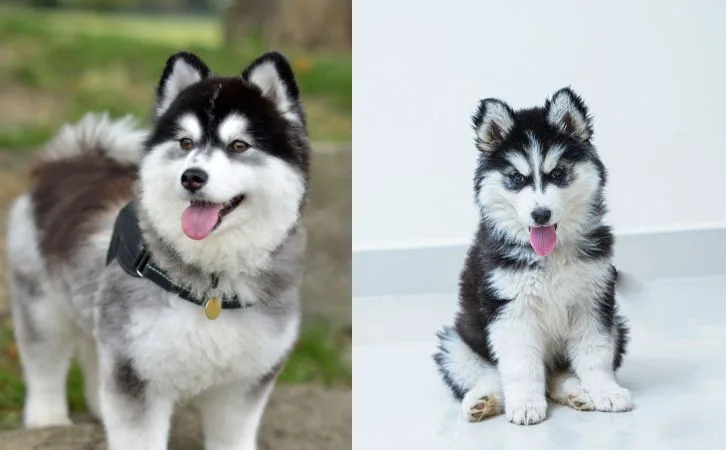
Pomsky vs Husky: Mini Version or Real Deal?
Table of Contents
Introduction
Definition of Pomsky and Husky
When it comes to captivating dog breeds, the Pomsky and the Husky are often at the top of the list. A Pomsky is a charming hybrid between a Siberian Husky and a Pomeranian, known for its adorable fluffy appearance and playful demeanor. On the other hand, the Husky, with its striking looks and high energy levels, is a loyal companion originating from the Arctic regions.
Purpose of the Comparison
Understanding the differences between these two breeds can help potential owners make an informed decision. Here’s why the comparison is essential:
- Lifestyle Compatibility: Knowing each breed’s needs can guide the right choice for your environment.
- Training Requirements: Different temperaments dictate varied training approaches.
- Care and Maintenance: Each breed has unique grooming and health needs.
By highlighting these aspects, future pet owners can create a fulfilling experience for both themselves and their chosen furry friend.
Pomsky vs Husky comparison
| Basic Information | pomsky | Siberian Husky |
| Group | Working dog | Working dog |
| Origin: | Russia | Russia |
| Height Male: | 21 – 24 inches | 21 – 24 inches |
| Height Female: | 19 – 23 inches | 19 – 23 inches |
| Weight Male: | 20 – 27 kg | 20 – 27 kg |
| Weight Female: | 16 – 23 kg | 16 – 23 kg |
| Life Span: | 12 – 14 Years | 12 – 14 Years |
| Litter Size: | 4 – 8 | 4 – 8 |
| Size: | Large dog | Large dog |
| Other Names: | Chukcha, Chuksha | Chukcha, Chuksha |
| Colors Available: | Black & White, White, Black, Agouti Piebald, Copper | Black & White, White, Black, Agouti Piebald, Copper, Black & Tan Splash, Red, Silver, Sable Brown and Grey |
| Coat: | Medium, Dense, Harsh and Rough, Soft, Double layer, Straight and Thick | Medium, Dense, Harsh and Rough, Soft, Double layer, Straight and Thick |
| Shedding: | Moderate | Moderate |
| Grooming: | Moderate maintenance | Moderate maintenance |
| Trainability: | Moderate | Moderate |
| Kids Friendly: | No | No |
Read Here: Maltipoo vs Maltese
Physical Characteristics
Size Differences
One of the most noticeable differences between Pomskies and Huskies is their size. Pomskies are compact and typically weigh between 20 to 30 pounds, making them perfect for apartment living. In contrast, Huskies are robust, averaging 35 to 60 pounds. This size difference can impact both the space you need and the amount of exercise they require.
Coat Colors and Patterns
When it comes to coat colors, both breeds are striking. Huskies often showcase a variety of colors like black, gray, and red, often with distinct facial masks. Pomskies, however, can inherit a rainbow of colors and patterns from both parents, including:
- Solid Colors: Such as white or black
- Markings: Unique patterns, often with patches
Facial Features
Facial features further differentiate these breeds. Huskies are recognized for their almond-shaped blue or multi-colored eyes and erect triangular ears. Pomskies often have a blend of these traits but can also display rounder faces and smaller ears. These features contribute to each breed’s unique charm, making them both irresistible in their own ways.

Read Here: Labradoodle vs Labrador
Temperament and Personality
Differences in Temperament
Delving into the temperament of these breeds reveals key differences. Huskies are known for their friendly and outgoing nature. They love to socialize and often display an independent streak. Pomskies, meanwhile, are more adaptable and can be somewhat reserved around strangers. This variation can affect how they interact with family and visitors.
Trainability and Social Behavior
Trainability is another area where these breeds diverge. Huskies, often viewed as stubborn, require consistent training and socialization from an early age to ensure good behavior. Pomskies generally inherit a more eager-to-please attitude, making them easier to train. However, their intelligence means they also need mental stimulation through:
- Interactive Toys
- Agility Training
They thrive in environments where they can engage socially.
Exercise and Activity Levels
Both breeds require ample exercise, but their needs differ. Huskies are high-energy dogs that thrive with vigorous activities like running and hiking. Pomskies, while also playful, have lower exercise needs, often enjoying a mix of short walks and playtime indoors. Regardless of the breed, regular activity is essential to keep them healthy and happy!

Read Here: Goldendoodle vs Golden Retriever
Grooming and Maintenance
Coat Care Tips
Caring for the coats of Pomskies and Huskies requires commitment. Huskies have a thick double coat that demands regular brushing—ideally twice a week—to keep it healthy and remove loose fur. Pomskies, depending on their coat type, also benefit from regular grooming, especially if they inherit more of the Husky’s fur. Consider using:
- De-shedding tools
- Grooming gloves These can help manage their beautiful but sometimes unruly fur.
Shedding and Allergy Concerns
Shedding is a reality for both breeds, especially during seasonal changes. Huskies, in particular, are known for their intense seasonal shedding, often referred to as “blowing their coat.” This can lead to concerns for allergy sufferers. Pomskies, while also shedding, may provide a more manageable option. To alleviate allergy issues, keeping a clean home with regular vacuuming and using air purifiers can make a significant difference.
Dental and Health Care
Maintaining dental and health care is crucial for both breeds. Regular dental check-ups and teeth brushing can prevent many health issues. Huskies may be prone to certain ailments, such as hip dysplasia, while Pomskies can inherit health problems from both parent breeds. Staying proactive with vet visits and vaccinations is key to ensuring a long, happy life for your furry companions!
Lifespan and Health
Common Health Issues
Understanding the health concerns associated with both breeds is vital for any potential owner. Huskies can be prone to conditions like hip dysplasia, eye disorders, and certain skin issues, while Pomskies may inherit genetic conditions from either parent breed. Regular vet check-ups can help catch these concerns early. For instance, a friend’s Pomsky had a mild eye issue that was swiftly handled with vet intervention.
Lifespan Expectancy
When it comes to lifespan, Huskies typically live around 12 to 15 years, while Pomskies often boast a slightly longer lifespan of around 13 to 16 years. Factors such as quality of care and genetics play a significant role, so good practices can ensure a happy and lengthy life for your furry friend.
Feeding and Nutritional Needs
Nutrition is foundational to maintaining health. Huskies require a diet rich in protein and healthy fats due to their high energy needs, often thriving on high-quality kibble or raw diets. Pomskies, being smaller, need appropriately sized portions, focusing on balanced nutrition to prevent obesity. Always consult your veterinarian for tailored dietary advice and keep an eye on appropriate portion sizes!
Cost and Availability
Price Comparison
When considering a new furry friend, understanding the price differences between Pomskies and Huskies is crucial. Pomskies are generally more expensive, often ranging from $1,000 to $3,000 due to their hybrid status and higher demand. Huskies, on the other hand, typically cost between $500 and $1,500. Price can vary based on factors like breeder reputation, location, and lineage, so always do your research.
Finding Pomskies and Huskies
Finding a reputable breeder for either breed is vital. Many experienced breeders maintain health testing protocols and can provide insights into lineage. Local shelters and rescue organizations are also excellent places to consider. For example, a friend adopted a Husky mix that turned out to be the most loving companion!
Ownership Costs and Considerations
Beyond the initial purchase price, ownership costs include food, grooming, veterinary care, and training expenses. Typically, budgeting about $1,000 annually is a good rule of thumb. Don’t forget about the commitment required—both breeds thrive on companionship and active engagement, so potential owners should ensure they can provide enough time and energy for their new furry family member!
Best Suited as a Pet
Family-Friendly Traits
When it comes to family compatibility, both Pomskies and Huskies have unique strengths. Huskies are known for their playful and friendly nature, making them wonderful companions for children. They tend to bond well with families. Pomskies, being smaller and highly affectionate, can also fit seamlessly into family life. They provide loving companionship and are often protective, ensuring a warm family atmosphere.
Apartment Living vs. House
However, the living situation plays a significant role in making the right choice. Huskies, with their energetic and adventurous spirits, thrive in homes with ample space and a yard to play. They love to run and explore. Pomskies, being more adaptable, can comfortably live in apartments, provided they receive enough exercise and mental stimulation. For example, one family I know happily keeps a Pomsky in their cozy apartment, taking daily strolls and engaging him in fun indoor activities to keep him active!