

A brief overview of Native Reunion Island dog breeds
Native Reunion Island dog breeds are unique and have a rich history on the island. These dogs have adapted to the local environment and possess characteristics that make them well-suited for life on the island. There are two main native dog breeds on Reunion Island – the Creole and the Tuit-Tuit. Though not recognized as official breeds by international kennel clubs, these dogs are an integral part of the island’s culture and have been present for centuries.
Read Here: Native Russian Dog Breeds
Basic Information of Native Reunion Island Dog Breeds Table
The table below provides basic information about the two native Reunion Island dog breeds:
| Breed | Size | Appearance | Temperament |
| Creole | Medium | Muscular build, short coat | Friendly, intelligent |
| Tuit-Tuit | Small-Medium | Compact body, long curly coat | Loyal, energetic |
Both the Creole and Tuit-Tuit breeds make great companions and exhibit traits that have helped them thrive on Reunion Island. While the Creole is known for its friendliness and intelligence, the Tuit-Tuit is recognized for its loyalty and energy. These native dog breeds are a testament to the resilience and adaptability of animals in diverse ecosystems.
Read Here: Native Romanian Dog Breeds
The Maloya Dog Reunion Island dog breeds
Historical background and origin of the Maloya Dog
The Maloya Dog is another unique native breed found on Reunion Island. These dogs have a fascinating history that traces back to the island’s slave trade era. The name “Maloya” comes from the traditional music and dance style of Reunion Island, which was created by African slaves. These dogs served as loyal companions to the slaves and were also used for hunting and herding livestock. Over time, the Maloya Dog developed distinct physical traits and characteristics that helped them survive and thrive in the island’s rugged terrain.
Physical characteristics and temperament of the Maloya Dog
The Maloya Dog is a medium to large-sized breed, with a strong and muscular build. They have a short, dense coat that helps protect them from the elements. These dogs are known for their agility, strength, and endurance, making them excellent working dogs. They are highly intelligent, loyal, and protective of their families. The Maloya Dog has a gentle and friendly nature, but they can be cautious around strangers. They require regular exercise and mental stimulation to keep them content and happy.
With their unique history and distinct traits, the Maloya Dog is a remarkable breed that has become an integral part of Reunion Island’s cultural heritage.
Read Here: Native Qatar dog breeds
The Segugios Reunionnais Reunion Island dog breeds
History and development of the Segugios Reunionnais breed
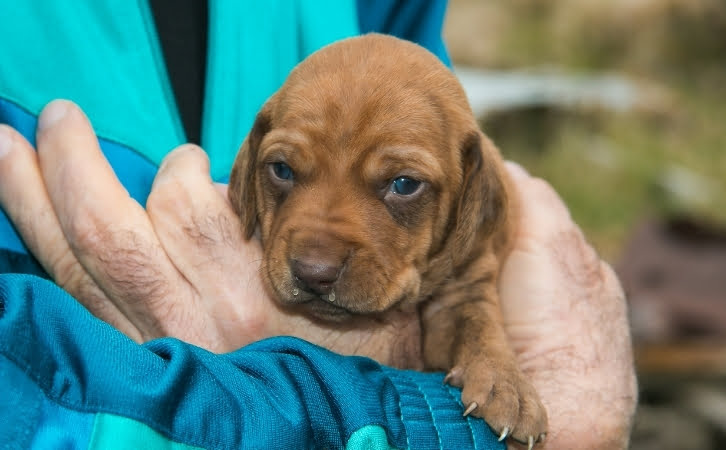
The Segugios Reunionnais is another unique native breed originating from Reunion Island. These dogs have a fascinating history that dates back to the island’s colonization by the French in the 17th century. The breed is believed to have been developed through a mix of French scent hounds and local island dogs.
Distinctive features and traits of the Segugios Reunionnais
The Segugios Reunionnais is a medium-sized breed, known for its keen sense of smell and tracking abilities. They have a short, dense coat that protects the island’s hot climate. These dogs are highly energetic and agile, making them excellent hunters. They possess a friendly and even-tempered nature, making them good family pets. However, they may require early socialization to be comfortable around strangers.
Read Here: Native Puerto Rico dog breeds
The Griffon Barbet Reunion Island dog breeds
Origin and purpose of the Griffon Barbet breed
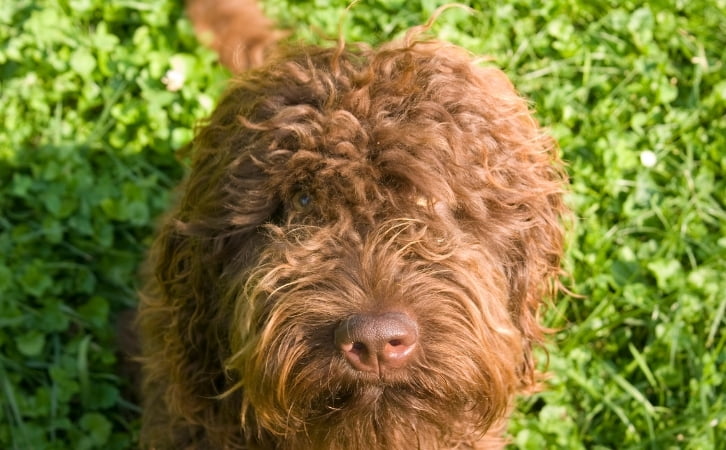
The Griffon Barbet is a breed with a rich history and a specific purpose. It is believed to have originated in France and has been bred since the 16th century for its excellent hunting and retrieving abilities. The breed was primarily used for waterfowl hunting, as its dense, water-resistant coat and webbed feet made it ideal for swimming and retrieving game from water. The Griffon Barbet’s versatility and adaptability also made it well-suited for various hunting terrains, including forests and marshes.
Appearance and characteristics of the Griffon Barbet
The Griffon Barbet is a medium-sized breed with a distinctive appearance. It has a voluminous, curly coat that serves as protection from harsh weather conditions and water. This breed comes in a range of colors, including black, brown, and fawn, and may have white markings. The Griffon Barbet has a muscular build and a solid frame, making it well-suited for its hunting tasks. It is known for its friendly and intelligent nature, which makes it an excellent companion and family pet. This breed requires regular grooming to maintain its coat’s health and appearance.
The Bull Terrier Creole Reunion Island dog breeds
Overview of the Bull Terrier Creole breed
The Bull Terrier Creole is a unique and distinctive breed with a rich history. This breed is believed to have originated in the United Kingdom during the 19th century. It was initially bred for dog fighting but has since evolved into a beloved companion and show dog. The Bull Terrier Creole is known for its muscular build, wedge-shaped head, and expressive face. It has a short, dense coat that comes in a variety of colors, including white, brindle, and black. This breed is highly energetic and requires regular exercise and mental stimulation to thrive.
Temperament and behavior of the Bull Terrier Creole
The Bull Terrier Creole is known for its lively and mischievous personality. It is a confident and fearless breed, always eager to explore and play. Despite its history, the Bull Terrier Creole is generally friendly and affectionate towards its family members. It tends to be good with children, although supervision is recommended due to its exuberance. Early socialization and training are crucial for this breed to ensure it develops into a well-behaved and obedient dog. The Bull Terrier Creole thrives on human companionship and can become destructive or anxious if left alone for long periods. Regular exercise, mental stimulation, and social interaction are essential for a happy and well-adjusted Bull Terrier Creole.
The Tornjak Maloya Reunion Island dog breeds
Origins and Cultural Significance of the Tornjak Maloya
The Tornjak Maloya is a unique breed with a rich history and cultural significance. This breed is believed to have originated in the Balkans, specifically in Bosnia and Herzegovina. It was primarily bred as a livestock guardian, protecting sheep and other animals from predators. The breed’s name, Tornjak, comes from the word “tor” which means “guard” in the local dialect.
Traditionally, the Tornjak Maloya was highly valued by shepherds and considered an essential part of their livelihood. This breed’s loyalty, intelligence, and protective nature make it an ideal guardian for livestock. It is known for its strong work ethic and dedication to its duties, making it a trusted companion for farmers and ranchers.
In addition to its role as a working dog, the Tornjak Maloya also holds cultural significance in the region. It is seen as a symbol of tradition and heritage, representing the strong bond between humans and animals in the rural communities of Bosnia and Herzegovina. The breed’s distinct appearance, with its sturdy build and thick coat, is often depicted in local art and folklore.
The Tornjak Maloya has recently gained recognition outside of its native region and is gaining popularity as a family pet and show dog. This breed’s gentle and affectionate nature, combined with its protective instincts, make it an excellent companion for families. Its large size and protective instincts require early socialization and consistent training to ensure it is well-behaved and adaptable in different environments.
The Tornjak Maloya’s unique history and cultural significance make it an intriguing breed that continues to capture the attention of dog enthusiasts worldwide. Whether as a working dog or family pet, this breed’s loyalty and strength make it a remarkable companion.
The Bichon Maloya Reunion Island dog breeds
History and distinctiveness of the Bichon Maloya breed
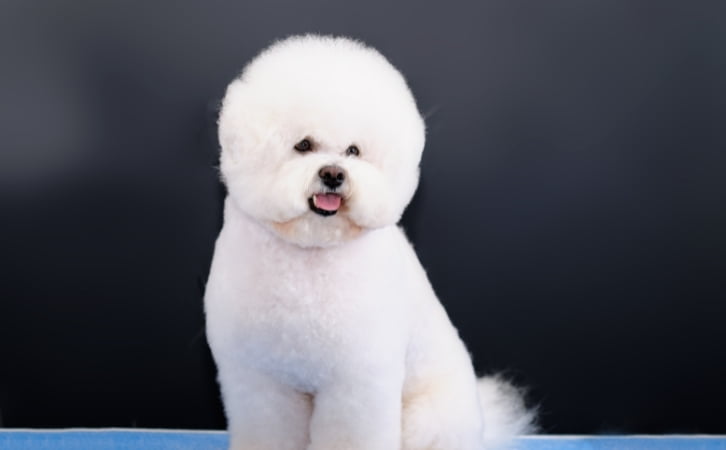
The Bichon Maloya is a breed with a fascinating history and unique characteristics. Originally believed to have originated in the Balkans, specifically in Bosnia and Herzegovina, this breed was primarily bred as a livestock guardian to protect sheep and other animals from predators. Its name, Bichon Maloya, is derived from the word “tor,” which means “guard” in the local dialect.
Traditionally valued by shepherds, the Bichon Maloya was an integral part of their livelihood. Known for its loyalty, intelligence, and protective nature, this breed has proven to be an ideal guardian for livestock. Its strong work ethic and dedication to its duties have earned it the trust of farmers and ranchers.
In addition to its role as a working dog, the Bichon Maloya holds cultural significance in the region. It symbolizes tradition and heritage, representing the strong bond between humans and animals in rural communities of Bosnia and Herzegovina. Its distinctive appearance, with its robust build and thick coat, often finds its place in local art and folklore.
Recently, the Bichon Maloya has gained recognition beyond its native region, becoming popular as both a family pet and a show dog. Its gentle and affectionate nature, combined with its protective instincts, makes it an excellent companion for families. However, its size and protective instincts require early socialization and consistent training to ensure proper behavior and adaptability in various environments.
The Bichon Mallya’s fascinating history and cultural significance continue to capture the attention of dog enthusiasts worldwide. Whether as a working dog or a family pet, its loyalty and strength make it an exceptional companion.
The Maloya Greyhound Reunion Island dog breeds
Background and purpose of the Maloya Greyhound breed
The Maloya Greyhound is a breed that has a rich history and serves a specific purpose. Believed to have originated in the Balkans, particularly in Bosnia and Herzegovina, this breed was primarily developed as a livestock guardian to protect sheep and other animals from predators. Its name, Maloya Greyhound, derives from the local dialect word “tor,” which means “guard.”
Esteemed by shepherds, the Maloya Greyhound played a vital role in their livelihoods. Known for their loyalty, intelligence, and protective nature, these dogs were an ideal choice for guarding livestock. Their strong work ethic and dedication earned the trust of farmers and ranchers.
Not only are they valued for their working abilities, but the Maloya Greyhound also holds cultural significance in the region. They symbolize tradition and heritage, representing the deep bond between humans and animals in rural communities of Bosnia and Herzegovina. Due to their distinctive appearance, with a sturdy build and thick coat, they often find their place in local art and folklore.
With growing recognition beyond their native region, the Maloya Greyhound has gained popularity as both a family pet and a show dog. Their gentle and affectionate nature, combined with their protective instincts, make them excellent companions for families. However, their size and protective instincts necessitate early socialization and consistent training to ensure proper behavior and adaptability in various environments.
The fascinating history and cultural significance of the Maloya Greyhound continue to captivate dog enthusiasts globally. Whether serving as a working dog or a cherished family pet, their loyalty and strength make them exceptional companions.
See the heartwarming reunion between military dog and handler video
Conclusion Reunion Island dog breeds
When it comes to native dog breeds, Reunion Island has its fair share of unique and fascinating breeds. These dogs have developed over time to adapt to the island’s terrain and climate, making them well-suited to the local environment. In the table below, you’ll find some basic information about the native Reunion Island dog breeds, including their names, sizes, temperaments, and special characteristics. This overview will give you a glimpse into the diverse and interesting world of Reunion Island’s canine companions. Whether you’re a dog enthusiast or simply curious about different breeds, this table will provide you with valuable insights into these remarkable dogs.
reference
Reunion Island dog breeds