
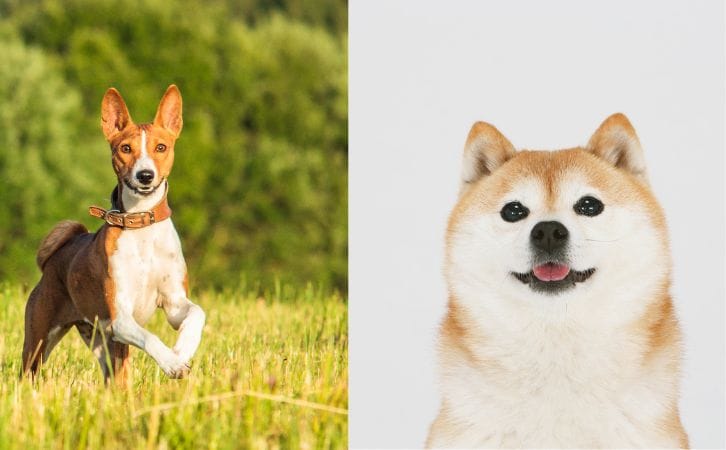
Basenji vs Shiba Inu: Quiet but Quirky
Table of Contents
Basenji vs Shiba Inu: Quiet but Quirky
Both the Basenji and the Shiba Inu are known for their unique personalities that set them apart from other dog breeds. While they may be relatively quiet, they both possess a quirky charm that captivates many dog lovers.
Exploring Their Quirky Nature
- Basenji: Often referred to as the “barkless dog,” the Basenji expresses itself through a unique yodel-like sound. Their independent nature can lead to amusing antics, such as finding their way into tight spots or choosing their own toys.
- Shiba Inu: This breed showcases a bold personality, often exhibiting a playful yet stubborn demeanor. Their eye-catching expressions and spirited behavior make them both entertaining and endearing.
Owning either breed promises a delightful experience filled with laughter and surprises.
| Basic Information | Basenji | Shiba Inu |
| Group | Hound dog | Working dog |
| Origin: | Congo | Japan |
| Height Male: | 16 – 17 inches | 12 – 17 inches |
| Height Female: | 14 – 16 inches | 12 – 17 inches |
| Weight Male: | 10 – 13 kg | 6 – 11 kg |
| Weight Female: | 8 – 13 kg | 6 – 11 kg |
| Life Span: | 12 – 14 Years | 12 – 15 Years |
| Litter Size: | 5 – 7 | 2 to 6 |
| Size: | Medium dog | Medium dog |
| Other Names: | Congo Dog, Congo Terrier | Japanese Shiba Inu, Shiba-Ken |
| Colors Available: | red and white, tan, tan and white as well as black and white, tri-color | Cream, red, sesame, black and tan. |
| Coat: | short | Double coat – thick and straight |
| Shedding: | Minimal | Moderate, Constant |
| Grooming: | Low maintenance | Low maintenance |
| Trainability: | Moderate | Easy |
| Kids Friendly: | Yes | Yes |
Read Here: Kangal vs Caucasian Shepherd
Origins and History
Understanding the origins of the Basenji and Shiba Inu provides valuable insight into their distinct characteristics. Each breed embodies a rich history that underscores their unique qualities.
Basenji: Ancient African Breed
The Basenji is regarded as one of the oldest dog breeds, tracing its roots back to central Africa. They were originally bred by the Congolese to assist in hunting and were known for:
- Speed and Agility: Perfect for chasing game in the dense forests.
- Barkless Communication: Their silent nature helped hunters remain stealthy.
Many enthusiasts often marvel at the Basenji’s connection to ancient times, as they see traits that have persisted for thousands of years.
Shiba Inu: Japan’s Little Brushwood Dog
On the other hand, the Shiba Inu hails from Japan, known for its spirited personality and fox-like features. Initially bred for hunting small game, Shibas have a fascinating history:
- Loyal Companions: They were cherished as family dogs.
- Cultural Significance: Shiba Inu are celebrated in Japanese folklore and art.
Interestingly, their charming looks and spirited traits have made them a beloved breed worldwide, seen scampering through city parks and cultural festivities today.

Read Here: Azawakh vs Greyhound
Physical Characteristics
Delving into the physical traits of the Basenji and Shiba Inu reveals important distinctions that can influence a potential owner’s choice. From their sizes to coat care routines, each breed exhibits its own set of characteristics.
Size and Weight Differences
The Basenji is typically a compact dog, standing around 16 to 17 inches tall at the shoulder and weighing between 22 to 24 pounds. In contrast, the Shiba Inu is slightly larger, standing about 17 to 19 inches tall and weighing 17 to 23 pounds. While they may appear similar, the subtle differences in size can affect living arrangements and exercise needs.
- Basenji: Compact, agile, and great for apartments.
- Shiba Inu: Larger and more robust, requiring a bit more space.
Coat Colors and Grooming Needs
When it comes to grooming, both breeds have distinct coats that require attention. The Basenji boasts a short, fine coat that comes in various colors such as chestnut, black, and brindle, while the Shiba Inu features a double coat with colors like red, sesame, and cream.
- Basenji: Minimal grooming—weekly brushing is usually enough.
- Shiba Inu: A bit more demanding with seasonal shedding, requiring regular brushing.
These grooming routines can greatly influence a dog owner’s lifestyle and commitment.
Temperament and Behavior
The temperament and behavior of the Basenji and Shiba Inu play crucial roles in their roles as companions. Understanding these traits can help prospective owners choose the right breed for their lifestyle.
Basenji: Independent and Curious
Basenjis are known for their independent spirits and curious nature. They’re often described as cat-like, as they may demonstrate:
- Playful Exploration: These dogs love to investigate their surroundings, often getting into mischief.
- Selective Compliance: Basenjis can be stubborn, choosing when to obey commands, which can make training an adventure.
Many owners appreciate their uniqueness, recalling moments where their Basenji turned an ordinary walk into an exploration filled with surprises.
Shiba Inu: Bold and Loyal
In contrast, Shiba Inus exhibit a bold and confident demeanor. Their loyalty and spirited personality make them delightful companions:
- Affectionate Yet Independent: They bond closely with their owners but enjoy a sense of autonomy.
- Vocal and Expressive: Shibas are known to express themselves through various sounds, adding charm to their personality.
Owners often recall heartwarming moments of their Shiba’s loyalty during family gatherings, where the dog ensures everyone feels welcome. Understanding these traits is essential for cultivating a rewarding relationship with either breed.

Read Here: Thai Ridgeback vs Rhodesian Ridgeback
Training and Exercise Requirements
Successfully training and exercising the Basenji and Shiba Inu are vital components for ensuring their happiness and well-being. Both breeds present unique challenges and needs that every owner should consider.
Training Challenges
Training these breeds can be quite the undertaking due to their independent natures. The Basenji, for example, may show:
- Stubbornness: They often prefer to do things their own way, requiring patient and consistent training.
- Low Motivation: Unlike other breeds, treats may not always be enticing enough to coax obedience.
On the flip side, Shiba Inus are eager learners but can exhibit:
- Selectiveness: They respond best to positive, rewarding training methods but may ignore commands if they feel uninterested.
- Strong-willed Attitude: Their boldness can lead to moments where they test boundaries.
Many owners find themselves using creative methods, such as integrating games into training sessions, to keep their dogs engaged.
Exercise Needs and Mental Stimulation
Both breeds require ample exercise and mental stimulation to thrive.
- Basenji: These energetic dogs require at least 30 to 60 minutes of exercise daily. Activities like fetch or agility training not only keep them fit but also satisfy their curious nature.
- Shiba Inu: Ideally, they need similar levels of activity—about 30 to 60 minutes daily—but also enjoy activities that engage their minds, like puzzle toys or scent work.
Keeping them mentally stimulated helps prevent boredom, which can lead to mischief—a trait that both breeds share! Engaging these clever canines in fun-filled activities is essential for a happy household.
Health and Longevity
As with any breed, understanding the health and longevity of the Basenji and Shiba Inu can help potential owners prepare for the responsibilities that come with pet ownership.
Common Health Issues
Both breeds have their predispositions to specific health conditions. For the Basenji, concerns may include:
- Fanconi Syndrome: A kidney disorder that can lead to serious health issues if left untreated.
- Hip Dysplasia: A common issue affecting many dogs, leading to discomfort and mobility challenges.
Conversely, the Shiba Inu faces its share of health concerns, such as:
- Patellar Luxation: A knee problem that can affect their ability to walk comfortably.
- Eye Conditions: Such as glaucoma or cataracts, which may require veterinary attention.
Awareness of these potential issues allows for early detection and preventative care.
Lifespan Expectancy and Care Tips
Both breeds generally enjoy a relatively long lifespan. The Basenji typically lives between 12 to 16 years, while the Shiba Inu can live around 12 to 15 years. To help maximize their lifespan, consider these care tips:
- Regular Vet Check-ups: Annual visits to the vet ensure that any underlying health issues are caught early.
- Balanced Diet: Feed them high-quality dog food coupled with appropriate portion sizes to maintain a healthy weight.
- Regular Exercise: Staying active not only keeps their bodies fit but also contributes positively to their mental health.
With dedicated care and attention, both breeds can thrive and enjoy a fulfilling, healthy life alongside their human companions.
Comparing Basenji and Shiba Inu
When evaluating the Basenji and Shiba Inu, it’s essential to highlight not only their differences but also their similarities. Both breeds possess unique traits that endear them to dog lovers.
Similarities in Traits
Both breeds exhibit several key characteristics that make them stand out:
- Intelligence: Basenjis and Shiba Inus are highly intelligent, capable of learning commands quickly, though they may not always choose to obey.
- Independence: Each breed has an independent streak, showcasing their preference for doing things on their own terms.
- Playfulness: Both breeds enjoy interactive play, which provides great opportunities for bonding.
Owners often enjoy the clever antics and unmistakable charm of both breeds, making each day an exciting adventure.
Key Differences in Personality and Care
Despite these similarities, notable differences exist in their personalities and care requirements:
- Basenji: They tend to be more reserved and may require gentle encouragement during training. Their grooming needs are minimal, owing to their short coat.
- Shiba Inu: In contrast, Shibas display a more pronounced boldness and loyalty to their owners, making them particularly sociable. However, their double coat demands more grooming, especially during shedding seasons.
Understanding these nuances aids prospective owners in selecting the right breed to complement their lifestyle. Both the Basenji and Shiba Inu can be delightful companions with the right care and attention.
Choosing the Right Breed for You
Selecting the ideal dog breed can feel overwhelming, especially when comparing charming dogs like the Basenji and Shiba Inu. It’s vital to consider several factors to make an informed decision.
Considerations for Potential Owners
Before committing to a breed, potential owners should reflect on:
- Living Space: Consider whether you have enough room for either a Basenji or Shiba Inu to roam and play comfortably.
- Time Commitment: Both breeds require daily exercise and mental stimulation, so be honest about your availability.
- Grooming Needs: Weigh your willingness to invest time in grooming, especially with the Shiba Inu’s shedding.
Many prospective owners find making a list helps clarify their priorities and preferences.
Matching Personality to Lifestyle
Ensuring the breed matches your lifestyle is crucial for harmony:
- Active Lifestyle: If you lead an active lifestyle, either breed enjoys outdoor activities, but a Basenji’s curiosity might lead to spontaneous adventures.
- Family Dynamics: For families with children, Shiba Inus can be more sociable, while Basenjis may prefer a quieter environment.
Ultimately, choosing a dog is about more than just looks—it’s about finding a companion that seamlessly fits into your life. Engaging with breeders or local rescue organizations can offer insights tailored to your unique situation, ensuring both you and your future dog thrive together.
Basenji vs Shiba Inu – Which is better for you?
Conclusion
After exploring the intricacies of both the Basenji and Shiba Inu, it’s clear that each breed has its own unique charm, bringing joy to dog lovers everywhere.
Recap of Main Contrasts
In summary, here are the key contrasts to consider:
- Temperament: Basenjis are more independent and curious, while Shibas are bold and loyal.
- Grooming Needs: Basenjis require minimal grooming, whereas Shiba Inus need regular brushing.
- Training: Basenjis can be more stubborn, while Shibas are strong-willed yet eager to please.
Final Thoughts on Basenji vs Shiba Inu
Ultimately, the right breed for you depends on your lifestyle and preferences. Both the Basenji and Shiba Inu offer unique, playful companionship. Engaging with the breed through local meetups or fostering can provide invaluable firsthand experience, helping you make the perfect choice for your new furry friend. Happy pet parenting!